Cybersecurity - My Perspective as an IT Specialist
Why cybersecurity is not just a technical challenge, but a human one as well
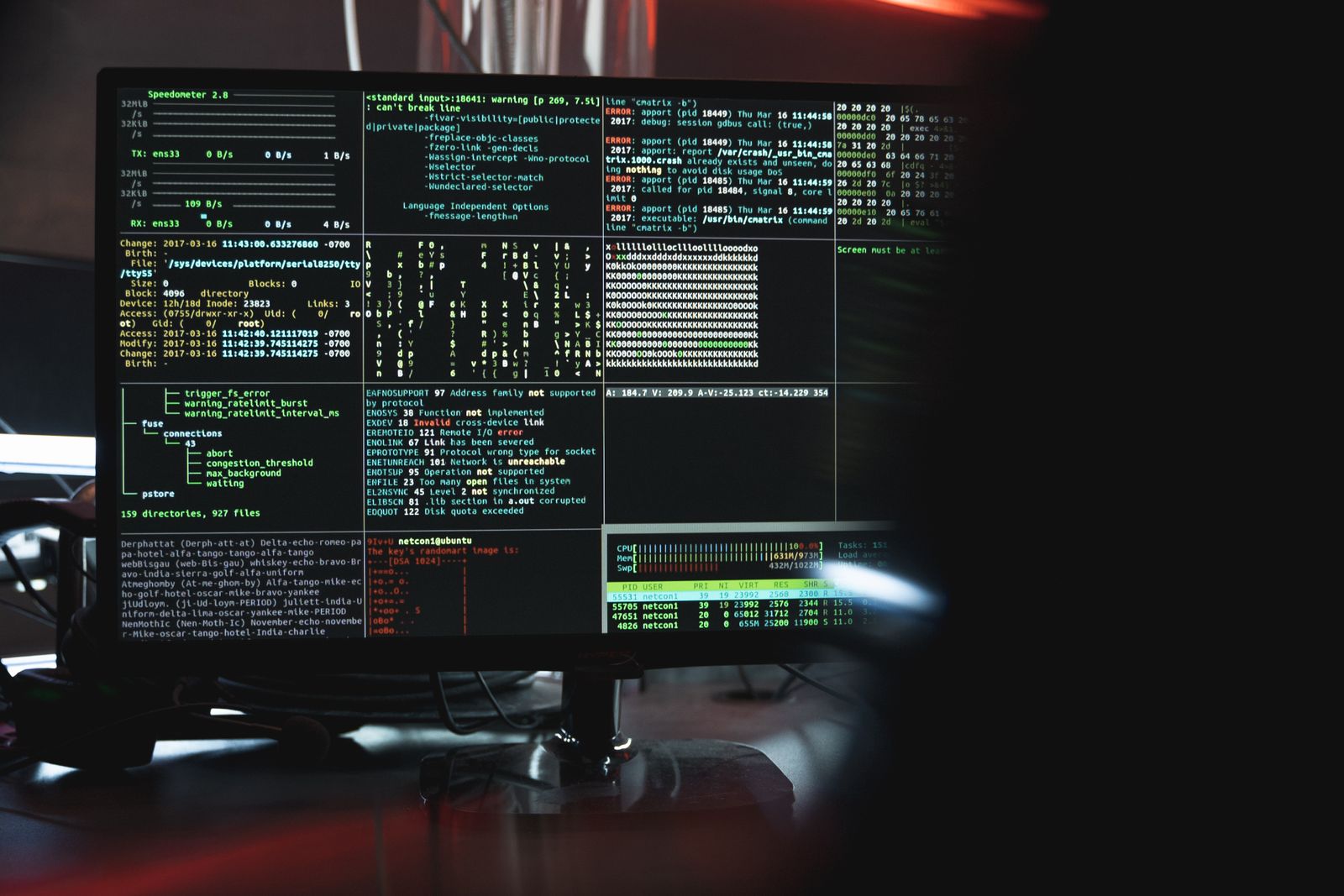
Cybersecurity - My Perspective as an IT Specialist
As an IT specialist who works with complex systems every day, cybersecurity is not just a topic for me — it's a fundamental mindset. In this article, I want to share my perspective on IT security — beyond technical jargon and fear-mongering.
Cybersecurity Is More Than Just Technology
When we talk about cybersecurity, most people think of firewalls, encryption, and antivirus software. Those are important tools, but they're only one piece of the puzzle.
Cybersecurity is 50% technology and 50% people.
Most security incidents don't happen because of sophisticated hacker attacks, but because of human error: a wrong click on a phishing link, a weak password, an unencrypted USB stick. The best technology is useless if people aren't trained.
The Balance Between Security and Usability
One of the biggest dilemmas in cybersecurity is the balance between security and user-friendliness. A system that is 100% secure but nobody can use is useless. A system that is super easy to use but insecure is dangerous.
The solution lies in appropriate security:
- Not every application needs two-factor authentication
- Not every document needs to be encrypted
- But critical systems and data must be protected
As an IT specialist, I have to find this balance — for every system, for every use case.
The Illusion of Absolute Security
An important point that many people don't understand: There is no absolute security. Every system can be hacked, every encryption can be broken — it's only a question of time and resources.
That doesn't mean we should give up. It means we should:
- Assess risks: What is truly critical?
- Build layers: Not just one security layer, but several
- Monitor: Detect attacks early
- Respond: Be able to react quickly to incidents
The Human Component
As already mentioned: Most security problems arise from human error. That's why training and awareness are just as important as technical measures.
Phishing
Phishing attacks are becoming increasingly sophisticated. In the past, they were obvious emails with spelling mistakes. Today, phishing emails look like genuine business correspondence.
What helps:
- Regular training
- Test phishing campaigns
- Raising awareness without spreading panic
Passwords
Weak passwords are still a huge problem. "123456" and "password" are still on the top 10 lists of the most common passwords.
What helps:
- Use a password manager
- Enable two-factor authentication
- Regular password changes (but not too frequently)
Social Engineering
Social engineering — the manipulation of people — is often more effective than technical attacks. A phone call pretending to be from IT support can cause more damage than a sophisticated hacker attack.
What helps:
- Awareness of social engineering
- Clear processes for IT requests
- Caution with unexpected requests
Technical Measures
Of course, technical measures are important too. Here are my priorities:
1. Updates and Patches
Most attacks exploit known vulnerabilities for which patches already exist. Regular updates are therefore critical.
Best Practice:
- Automatic updates where possible
- Regular maintenance windows
- Patch management systems
2. Encryption
Sensitive data should be encrypted — both in transit (TLS/SSL) and at rest.
Best Practice:
- Encryption for all external connections
- Encryption for mobile devices
- Encryption for backups
3. Access Control
Not everyone needs access to everything. The principle of least privilege — everyone gets only the rights they actually need — is fundamental.
Best Practice:
- Regular review of access rights
- Automatic deactivation of unused accounts
- Role-based access control
4. Monitoring and Logging
You can only protect what you can see. Monitoring and logging are essential for detecting attacks early.
Best Practice:
- Central log collection
- Automated alerts for suspicious activity
- Regular review of logs
5. Backups
Backups are important not only for data loss, but also for cybersecurity. In a ransomware attack, backups are often the only salvation.
Best Practice:
- Regular, automated backups
- Separate backup storage (not on the same network)
- Regular testing of backups
The Role of AI in Cybersecurity
Artificial intelligence is increasingly being used in cybersecurity:
- Threat Detection: AI detects anomalies faster than humans
- Automated Response: AI can respond to threats automatically
- Pattern Recognition: AI recognizes attack patterns
But: AI is not a cure-all. It can help, but it can also be misused. Attackers use AI for their attacks as well.
The Future of Cybersecurity
Cybersecurity will become increasingly important. With growing digitalization, the Internet of Things (IoT), and the cloud, attack surfaces are getting larger.
Trends I see:
- Zero Trust: No system is automatically trusted anymore
- Security by Design: Security is considered from the start
- Automation: More automated security measures
- Regulation: More legal requirements (GDPR, etc.)
My Personal Approach
As an IT specialist, I have a pragmatic approach to cybersecurity:
- Assess risks: Not everything is equally critical
- Build layers: Multiple security layers
- Train people: Technology alone is not enough
- Monitor: Early detection is important
- Respond: Quick reaction to incidents
I try not to fall into panic, but also not to be negligent. Appropriate security is the goal — not paranoia, but not carelessness either.
Tips for Private Individuals
Even as a private individual, you can do a lot for your security:
- Use a password manager: Simple and effective
- Enable two-factor authentication: Wherever possible
- Install updates: Regularly and promptly
- Be cautious with emails: When in doubt, don't click
- Make backups: Regularly and tested
Conclusion
Cybersecurity is a complex challenge that encompasses both technical and human aspects. There is no absolute security, but we can minimize risks through:
- Appropriate technical measures
- Training and awareness
- Monitoring and quick response
- A balanced approach
As an IT specialist, I don't see cybersecurity as an obstacle, but as a necessary foundation for modern IT systems. Only if we take security seriously can we fully benefit from digitalization.
Cybersecurity is a shared responsibility — of IT specialists, companies, and every individual user.
Image credits
- Photo: Tima Miroshnichenko via Pexels